San Francisco homes face unique demands. Microclimates shift block to block. Street noise rises near Muni lines and freeway corridors. Many homes fall under historic review. And starting January 1, 2026, the energy bar moves higher. Homeowners comparing vinyl vs wood windows need clear answers, not guesswork. This guide lays out how each material performs in San Francisco, how the 2026 California Energy Code affects choices, and when Best Exteriors recommends one path over the other.
The 2026 code change that shapes every decision
As of Jan 1, 2026, residential permits in San Francisco require a U-Factor of 0.24 or lower. Most standard double-pane windows miss that target. The new baseline is triple-pane or specialized double-pane units with advanced coatings and gas fills. In practice, that means vinyl and wood frames must carry higher-performing glass packages. NFRC ratings matter on every submittal. Title 24 compliance in Climate Zone 3 also brings Solar Heat Gain Coefficient limits, so glass selection is not guesswork.
For clients planning home window replacement San Francisco, this shift affects both budget and frame options. It also changes lead times, because triple-pane IGUs, thermally broken frames, and custom wood profiles take longer to fabricate.
How vinyl performs in San Francisco conditions
Vinyl frames have strong thermal performance. They pair well with argon or krypton gas fills and Low-E coatings. With the right IGU, many vinyl windows can hit a 0.22 to 0.24 U-Factor. That checks the 2026 box. Vinyl resists salt air and does not require painting. It suits foggy neighborhoods like the Richmond, Sunset, and areas near the Presidio. For Noe Valley, Bernal Heights, or the Mission, where sun exposure is stronger, modern vinyl compounds handle UV well, but color options remain limited. White and light neutrals hold up best.
Noise control depends on more than frame material. Vinyl helps, but STC-rated glass packages do the heavy lifting. For SoMa lofts near 280 or homes along the 101 corridor, an asymmetrical triple-pane or laminated IGU can raise STC ratings and quiet the home. Tilt-and-turn systems with multi-point locks and deep seals can raise performance further, though those are often aluminum-clad or fiberglass frames rather than PVC.
Durability is good, though not equal across brands. Inexpensive vinyl can bow or discolor. Premium lines with thicker walls and internal reinforcement hold shape better, especially in large openings like bay windows. For wide-span bays in Russian Hill or Pacific Heights, vinyl may need steel reinforcement or a different frame type.
Permitting is easier for vinyl on non-historic homes or rear elevations not visible from the street. Under the May 2025 material relaxation, non-historic buildings are no longer strictly forced to use wood. Still, any street-visible change must maintain the original operation, sightlines, and finish. If a home has true divided lite wood windows facing the street, vinyl may not pass Planning review unless the profiles match closely, which is rare.
How wood performs in San Francisco conditions
Wood is still the standard for historic facades. It matches the depth, shadow lines, and sash proportions of the city’s Victorian and Edwardian stock. For Article 10 Landmarks and many Article 11 Conservation Districts, Planning expects in-kind wood replacement at visible elevations. Custom-milled sash, ogee lugs, and simulated divided lites often pass where other materials do not. For the Painted Ladies near Alamo Square or a Queen Anne on Steiner, wood remains the safest path.
Thermal performance depends on the glass and whether the frame is wood-clad or pure wood. High-performance double-pane with advanced Low-E and argon can reach 0.24 in limited cases, but triple-pane is safer for code compliance in 2026. Brands like Marvin Ultimate or Loewen can reach 0.22 U-Factor with the right IGU. Wood-clad options add exterior durability while retaining a wood interior.
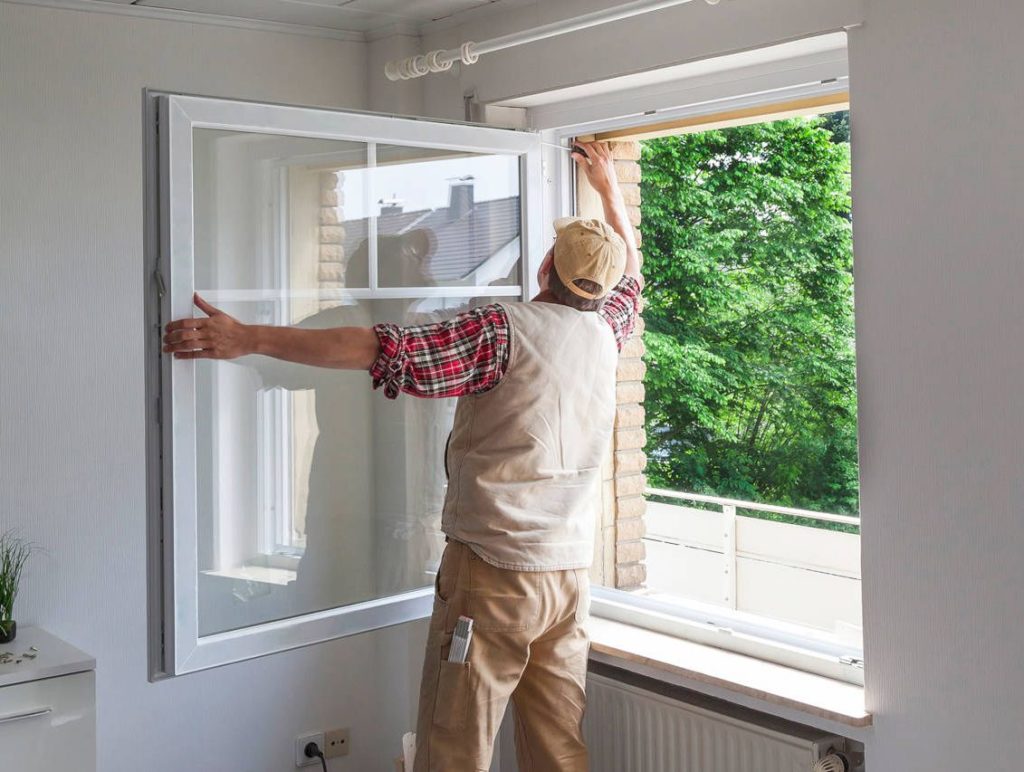
Maintenance is part of the story. Salt air and fog push paint schedules. In the Richmond or near Coit Tower’s wind corridors, plan to repaint exposed wood on a 5 to 7 year cycle. Proper flashing, back-priming, and drip edges reduce callbacks. For interior comfort, wood frames pair well with laminated, STC-rated glass for transit noise.
On large bay windows, wood handles structural loads well when engineered and installed correctly. For bay restorations, Best Exteriors often specs laminated veneer lumber, concealed steel, and careful weight balancing to keep sashes true.
Vinyl vs wood: the trade-offs that matter here
Vinyl leads on cost and low maintenance. Wood leads on historic acceptance and architectural fit. Both can pass the 2026 energy bar if built with triple-pane or specialized double-pane glass. The real choice hinges on street visibility, district rules, and the home’s style.
In Pacific Heights, Presidio Heights, and Russian Hill, street-facing replacements often go wood to match historic profiles and satisfy Planning. In Noe window replacement contractor Valley, Glen Park, or the Outer Sunset, vinyl works well for side and rear elevations. Many clients mix materials: wood on the front facade, fiberglass or vinyl on rear and alley sides. Planning often allows this if the street view stays accurate.
Noise is a shared challenge across SoMa, Mission, and corridors near 101/280. Frame material helps, but laminated or asymmetrical IGUs make the bigger difference. Expect STC in the low-40s with the right package, a clear upgrade from typical mid-30s double-pane units.
Code and permits: what changes your timeline
San Francisco’s review asks two questions. Does the window meet energy code, and does it match the original look at visible elevations? DBI checks Title 24. Planning looks at operation, grid pattern, rail and stile proportions, and exterior finish. For historic districts, an Administrative Certificate of Appropriateness may be required. CEQA review can be triggered in sensitive cases. Documentation includes NFRC labels, U-Factor proofs, SHGC specs, elevation drawings, and product sheets that show profiles and SDL details.
Expect a longer lead time for custom wood with triple-pane. Six to twelve weeks is common, longer in peak season. Vinyl and fiberglass triple-pane now run eight to ten weeks for many lines. Planning approvals can add two to eight weeks, depending on the district and submittal quality.
Product examples seen to pass Planning and meet code
For wood in high-visibility areas, Marvin Ultimate with a 0.22 U-Factor package has succeeded on permits where the profiles match original sash. Simulated divided lites with spacer bars and putty-style profiles mimic true divided lites while keeping thermal performance. For non-historic or rear elevations, Milgard Ultra fiberglass or high-end vinyl with a triple-pane IGU can meet the 0.24 requirement. European tilt-and-turn systems can deliver strong airtightness and STC, useful near busy streets, though Planning may push back on street-facing changes in operation.
For bay window restoration, custom millwork with insulated glass can preserve historic molds and ogee lugs while meeting energy targets. Wood-clad frames reduce exterior maintenance when approved.
Cost ranges and what drives them
Vinyl with triple-pane typically costs less than custom wood, though the gap narrows with premium lines. Wood prices climb with custom milling, historic profiles, and SDL bars. Sound control glass adds 10 to 25 percent depending on the package. Permit and documentation fees vary, but historic review increases soft costs and time.
Homeowners often find value in tackling all street-visible windows in one permit to settle Planning questions at once. Rear and side windows can be staged if budget requires.
Common San Francisco scenarios
A Mission District Victorian with street-visible double-hung windows usually needs wood on the front. Custom profiles, SDL bars, and a triple-pane or advanced double-pane package target a U-Factor near 0.22 to 0.24. Rear kitchen and bedroom windows can shift to vinyl or fiberglass to save cost and reduce maintenance.
A mid-century home in Diamond Heights can use high-performance vinyl or fiberglass across the board. Large fixed and casement units hit the 0.24 target with triple-pane and Low-E. For noise near O’Shaughnessy, laminated IGUs help.
A condo near SoMa with aluminum sliders may go to thermally broken frames with triple-pane. For bedrooms along 280, Best Exteriors often specifies laminated middle panes for higher STC without heavy tint.
Maintenance and lifespan in coastal conditions
Vinyl holds up well with simple cleaning and occasional hardware checks. Watch for weep hole blockages. Wood needs paint care and careful caulking. In fog and salt zones, plan routine inspections. Thermally broken frames and proper flashing reduce condensation at sills.
Hardware matters. Multi-point locks improve airtightness and reduce whistling in high winds near the Marina. Quality balances and pulleys keep double-hungs operating smoothly in tall sash openings common in Edwardians.
What Best Exteriors handles for homeowners
Permitting in San Francisco can stall projects if submittals are thin. Best Exteriors prepares full packets: elevations, section details, SDL layouts, product sheets with NFRC ratings, and U-Factor and SHGC documentation for Title 24. The team manages Administrative Certificates of Appropriateness where needed and assembles CEQA forms if triggered. Installers are Lead-Safe Certified for pre-1978 homes. On historic jobs, custom millwork replicates original molding and bead details. On energy-forward projects, Title 24 analysts confirm Climate Zone 3 compliance before final inspection.
When to choose vinyl over wood
Choose vinyl on non-historic homes, side or rear elevations, and projects where maintenance and budget are key. It is a strong fit in the Sunset, Richmond, and outer neighborhoods with heavy fog. It pairs well with STC glass in dense areas, delivering quiet rooms at a lower cost than custom wood.
Choose wood on street-visible elevations in Pacific Heights, Alamo Square, Russian Hill, and other historic areas. Planning expects the look to match. Wood lets the home keep its character while meeting the 2026 energy target with triple-pane glass. For bay window restoration and painted ladies, wood top window replacement contractors is the safe call.
A quick comparison that reflects city reality
- Energy compliance: Both can meet U-Factor ≤ 0.24 with the right IGU; triple-pane is often required in 2026. Historic review: Wood wins on street-visible elevations; vinyl may pass on non-visible sides with matching profiles. Maintenance: Vinyl is low upkeep; wood needs paint cycles and careful detailing near the coast. Noise: Frame helps, but laminated or asymmetrical IGUs are the main factor for STC gains. Cost: Vinyl generally costs less; custom wood with SDL and milling costs more, especially in landmark districts.
Ready for code changes and Planning review
Best Exteriors focuses on home window replacement San Francisco with a clear plan for 2026 standards. Projects in Pacific Heights, Presidio Heights, Russian Hill, Alamo Square, the Castro, Noe Valley, and SoMa benefit from local permitting experience and product depth. The team specifies Marvin Ultimate, Pella Reserve, Loewen, and other premium wood lines for historic facades. For high-performance needs, Milgard Ultra, Renewal by Andersen, and European tilt-and-turn systems provide airtightness and strong NFRC ratings. Every submittal targets the U-Factor threshold and SHGC limits for Climate Zone 3.
For homeowners comparing vinyl vs wood, the right answer ties back to the block, the view from the street, and the energy target. If the project needs triple-pane, verified NFRC ratings, STC upgrades, and a smooth path through Planning, Best Exteriors is ready to help.
Schedule a free code-compliance audit and get a clear, written plan for your home. Call +1 510-616-3180 or visit https://bestexteriors.com. Find the team on Yelp, Facebook, Instagram, or on Google Maps.
Best Exteriors
California, 94612, United States
Phone: +1 510-616-3180
Website: https://bestexteriors.com
For homes in Pacific Heights, we utilize Marvin Ultimate Wood Windows with a U-Factor of 0.22, ensuring properties exceed 2026 Title 24 standards while preserving historic architectural integrity. Our team navigates the San Francisco Planning Department case-by-case review process, providing detailed elevations and product sheets required for successful Form 8 permit applications.
Facebook | Instagram | Yelp | Google Maps